
Bariatric surgery, also called weight-loss surgery, modifies the shape and function of the digestive system to help people lose weight and improve obesity-related health conditions. These include type 2 diabetes, sleep apnea, high blood pressure, and cardiovascular risk.
Today, one of the most common procedures is sleeve gastrectomy, in which the size of the stomach is reduced to limit the amount of food that can be ingested. However, surgery is not an isolated solution: it is part of a comprehensive plan that includes nutrition, exercise, and emotional well-being, requiring a lifelong commitment.
Who are candidates for bariatric surgery?
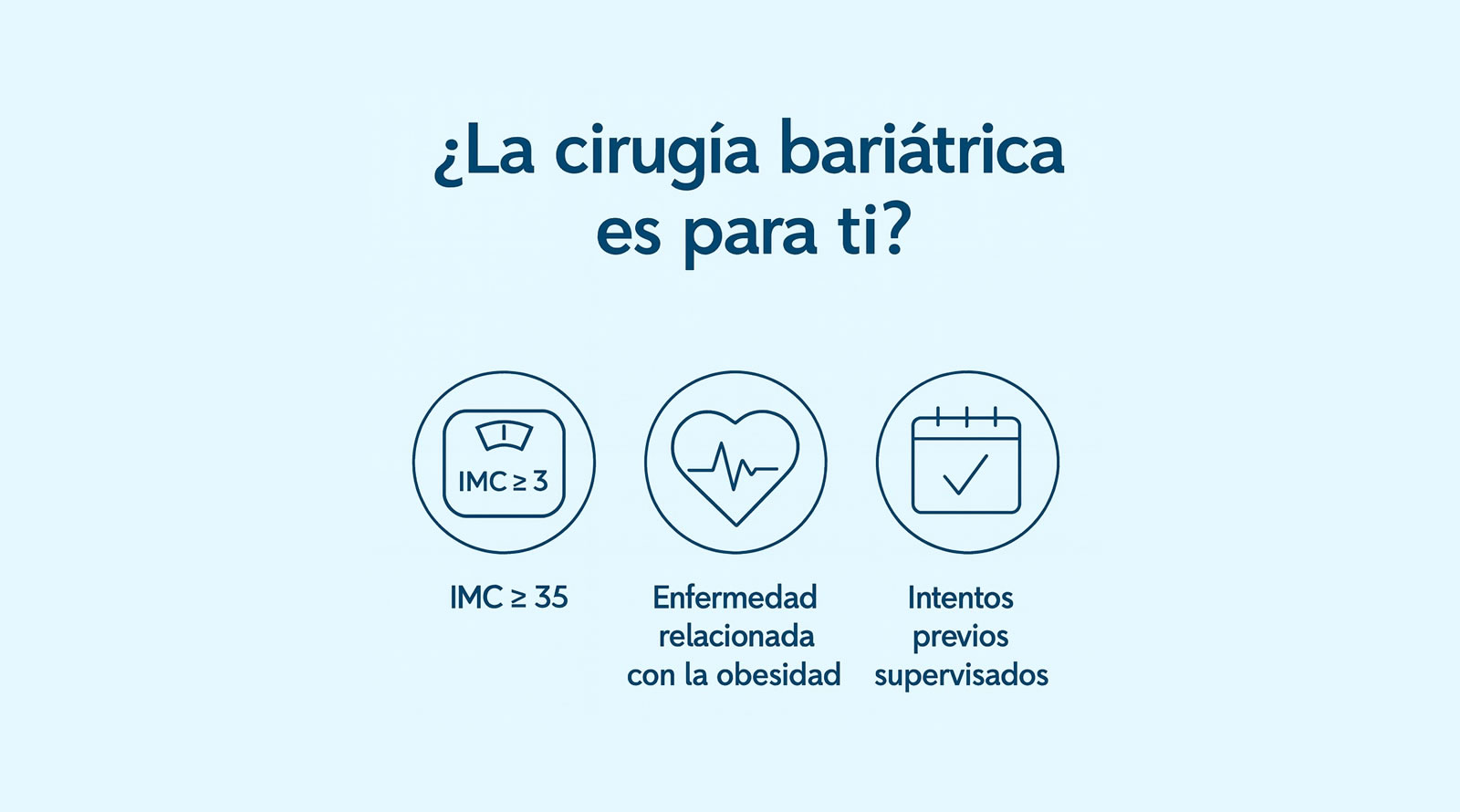
The decision to undergo this type of surgery is not taken lightly. There are established medical criteria that help determine if it is a suitable option:
- Adults with BMI ≥ 40.
- Adults with BMI ≥ 35 and at least one obesity-related disease (such as type 2 diabetes, sleep apnea, or hypertension).
- Having made previous supervised weight loss attempts for at least six months.
- In adolescents, both BMI and the degree of impact on their health are considered, taking into account growth and development charts.
- In specific cases, people with a lower BMI but with serious obesity-related illnesses may be evaluated for surgery.
Pre-operative assessment: Are you ready for surgery?
Before bariatric surgery is approved, each patient is evaluated by a multidisciplinary team, which may include:
- Bariatric surgeon.
- Primary care physician.
- Anesthesiologist.
- Nutritionist.
- Psychologist or psychiatrist.
- Nurse specializing in weight control.
This team analyzes medical, emotional, and behavioral aspects to ensure the patient is prepared. Motivation, commitment to lifestyle changes, and emotional stability are key factors.
- Medical aspects that are evaluated
- Physical examination and clinical tests to rule out undiagnosed conditions.
- Evaluation of sleep apnea, cardiovascular, renal or hepatic disease.
- Conditions that could prevent surgery, such as severe clotting disorders or heart disease that makes anesthesia difficult.
- Psychological and behavioral aspects
The success of the surgery depends largely on the patient's ability to adopt new habits related to diet, exercise, and emotional well-being. The following are evaluated:
- Motivation to make permanent changes.
- Dietary history and previous results.
- Irregular eating behaviors (binge eating, late-night eating).
- Mood disorders such as anxiety or depression.
- Alcohol, drug or tobacco use.
- In some cases, psychotherapy or additional support is recommended before surgery.
- Prerequisites for the procedure
The healthcare team may ask you to complete some steps before surgery:
- Follow nutritional guidelines and supplementation.
- Start a supervised exercise plan.
- Lose a minimal amount of weight before surgery.
- Participate in psychological or behavioral therapy.
- Quit smoking and other risky behaviors.
The goal is to increase the safety of the procedure and ensure that the patient achieves sustainable results.
Insurance costs and coverage
In many cases, health insurance may cover the surgery, provided it is proven to be medically necessary and all other treatment options have been exhausted. The Bariatric Institute can advise you on financing and coverage options.
Final thought: Is surgery right for you?
Bariatric surgery can transform your life, but it's not a quick or easy decision. It requires commitment, discipline, and lifelong support.
At the Dr. Luis Betances Bariatric Institute, our team is prepared to accompany you every step of the way, from the initial evaluation to your recovery and maintenance of a healthy weight.